5 Minutes with Michael Sarsteiner – How International Energy Companies Can Win the Talent War - Pt. 2
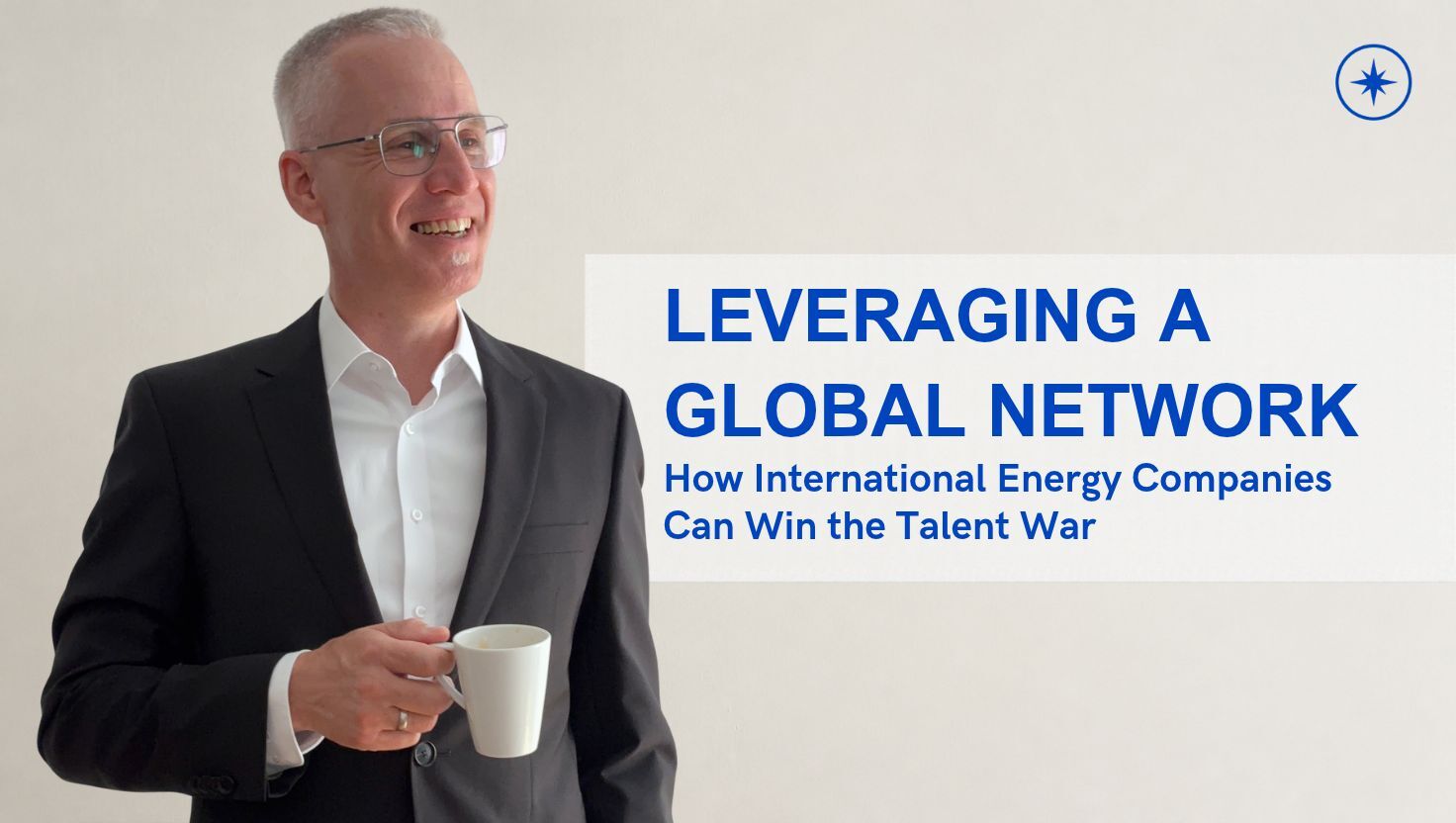
Doug: Michael, you’ve emphasised the importance of the Talentor International, how exactly does this structure benefit an international energy company looking to expand?
Michael: The primary benefit is simplicity combined with deep local expertise. When an international energy company is expanding, they often face the headache of managing multiple recruitment agencies across different countries, each with their own processes, standards, and communication styles. It’s inefficient and often leads to inconsistent hiring quality. With Talentor, we offer a “one-stop-shop” solution. A client can partner with us here in Austria, and we act as their central hub. Through our Industry Practice Groups, which consist of over 20 Senior Consultants from 18 countries specifically focused on engineering, construction, and manufacturing, we share best practices and collaborate on cross-border searches. This means the client gets a unified, high-quality search process globally, but executed by local experts who understand the specific nuances of the talent market in Warsaw, Madrid, or Chicago.
Doug: Can you give an example of how this cross-border collaboration works in practice for a client in the energy sector?
Michael: Absolutely. Let’s say a UK-based renewable energy developer is looking to build a solar portfolio across Central and Eastern Europe (CEE). They need a Regional Director based in Vienna, but they also need project developers on the ground in Poland and Romania. Instead of the UK company trying to navigate three different talent markets independently, they brief us in Vienna. We lead the search for the Regional Director locally, while simultaneously engaging our Talentor partners in Warsaw and Bucharest to find the project developers. We manage the entire process, ensuring that all candidates, regardless of location, align with the client’s overarching corporate culture and strategic goals. It saves the client an immense amount of time and ensures a cohesive leadership team across the region.
Doug: The energy transition is a global phenomenon. Are you seeing trends in the talent market that are consistent across the different countries in your network?
Michael: Yes, there are definitely common threads. The most prominent is the acute shortage of specialised talent. Whether you are in Austria, Germany, or the Nordics, finding experienced professionals in areas like grid integration, hydrogen technology, or energy storage is incredibly difficult. Because of this scarcity, we are seeing a shift in how companies evaluate candidates. There is a growing recognition that you can’t always find someone who ticks every single technical box. Instead, companies are increasingly hiring for potential, learning agility, and cultural fit. They are looking for leaders who have a strong foundational understanding of complex systems and the ability to quickly adapt to new technologies. This is where our rigorous assessment processes, which focus heavily on soft skills and leadership potential, become invaluable.
Doug: For a UK energy company looking to establish a presence in Austria, what practical advice would you give them regarding compensation and benefits?
Michael: It’s crucial to understand that the Austrian compensation structure is quite specific. We have a system of 14 salary payments per year, which is mandated by collective agreements and law. This often confuses international companies who are used to a standard 12-month structure. Furthermore, while a competitive base salary is important, Austrian executives place a very high value on job security, work-life balance, and the overall corporate culture. Benefits like flexible working arrangements, a company car (increasingly an electric vehicle in this sector), and clear opportunities for professional development are often just as important as the financial package. If a UK company tries to compete solely on base salary without offering a holistic and culturally aligned benefits package, they will struggle to attract the best talent.
Doug: Finally, what is the one thing you want international clients to know about working with your new Transformation, Energy & Manufacturing business unit?
Michael: I want them to know that we are not just recruiters; we are strategic partners who understand their business. We know that the energy transition is not just a technological shift; it’s a profound business transformation. By combining our deep local market knowledge in Austria with the global reach of the Talentor network, we can help them build the leadership teams they need to navigate this complexity and achieve their strategic goals, wherever they operate. We are passionate about finding the “Leaders for Tomorrow” who will drive this vital industry forward.
Thank you, Doug and Michael, for this insightful conversation!
FAQ
Talentor combines global reach with local market expertise. International companies can coordinate cross-border Executive Search through one central partner while benefiting from local Talentor experts who understand the individual talent markets, cultures and requirements in each country.
Local expertise helps companies understand country-specific talent markets, candidate expectations and cultural differences. Combined with an international Executive Search network, it enables companies to build leadership teams that are locally effective while remaining aligned with the organisation’s global strategy.
Energy companies often need specialised talent and experienced leaders across several countries at the same time. A global Executive Search network such as Talentor allows them to combine international reach with local market expertise and coordinate searches across borders.